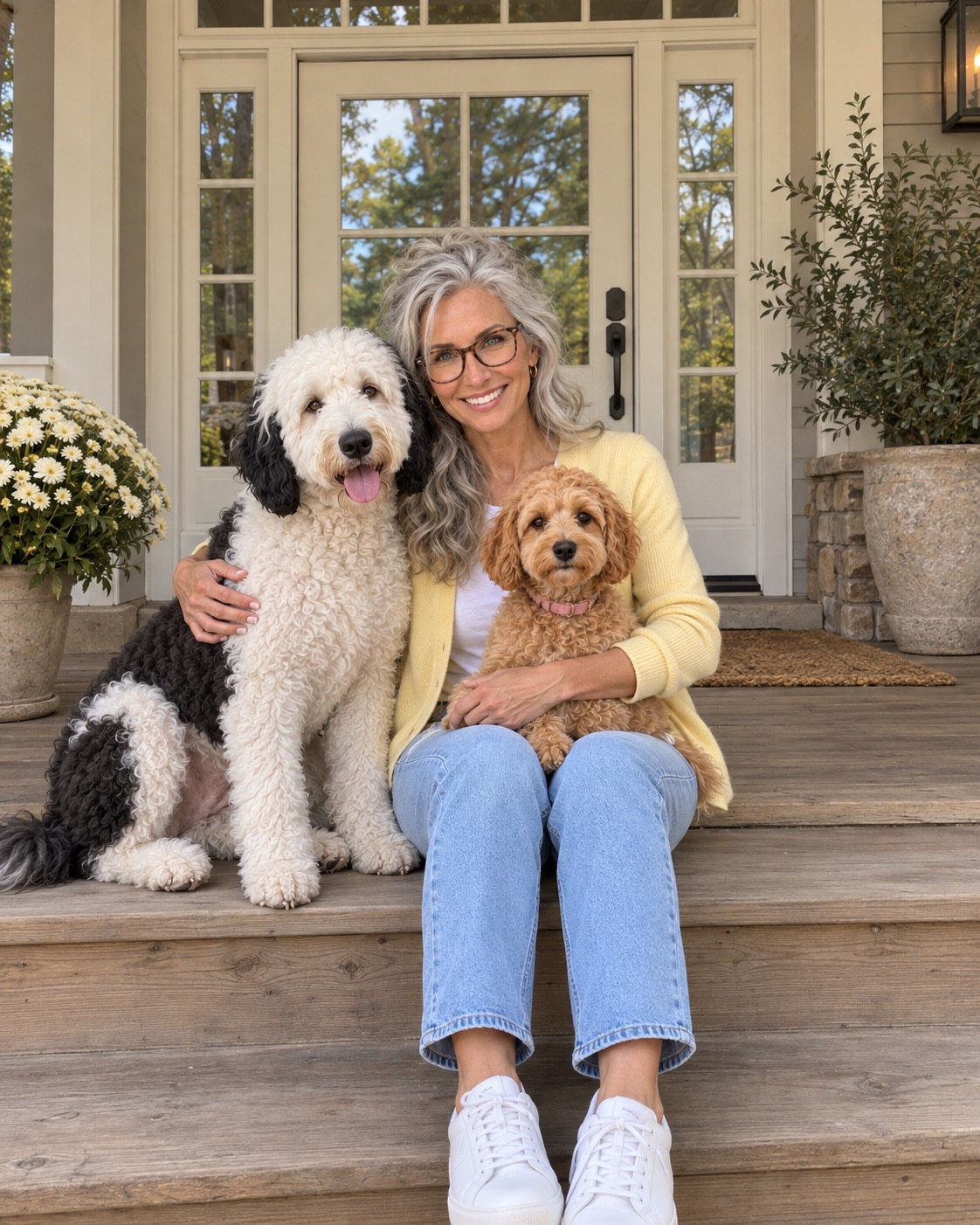
From 30 Years of Dog Grooming & 40+ Years Fostering Rescues in Lake Tahoe
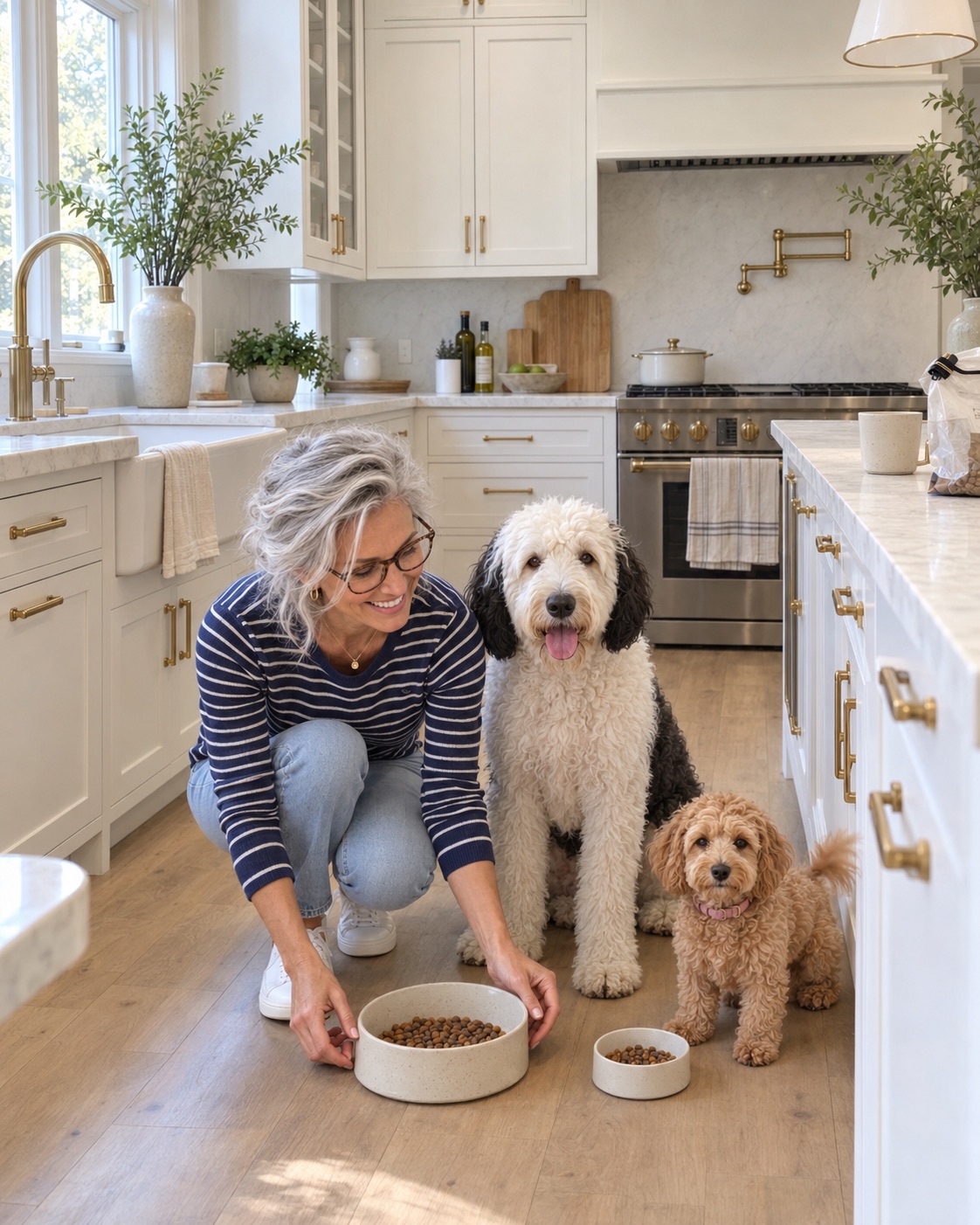
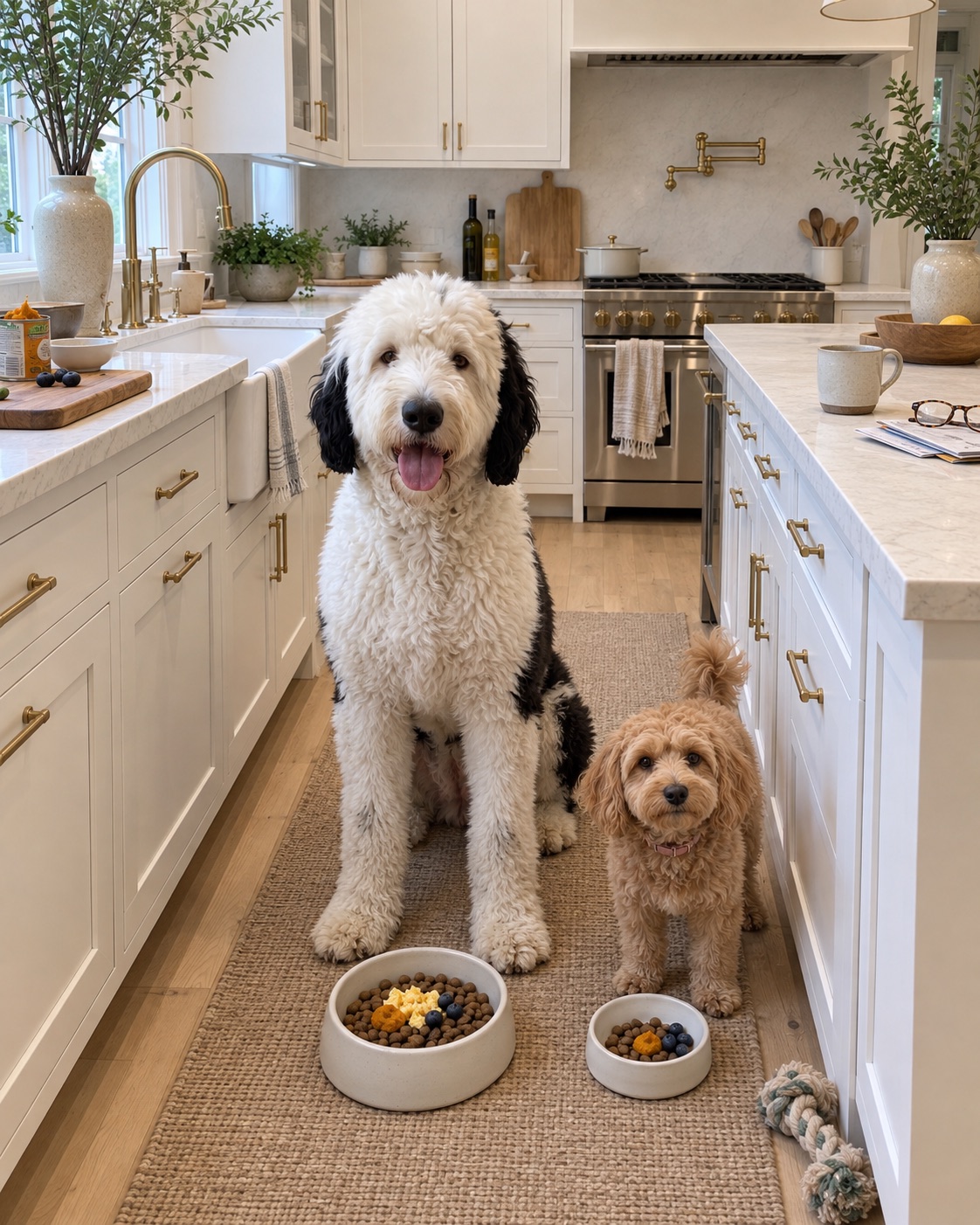
Cynthia Cole · Lake TahoeCooper & Little Ginger's Morning Bowl Routine
Quick Groomer Answer
Dog's Nose Dry or Warm? What a Groomer Says Is Normal
A dry or warm nose is not a reliable sign that a dog is sick. Noses change with sleep, the weather, the sun and how long it has been since your dog licked it. After 30 years of looking at dogs every day, here is what I pay attention to instead.
A nose that is cracked, crusty or bleeding
A nose that stays dry along with low energy, not eating or acting differently
Thick or colored discharge, or a nose that changes shape or color
Anything that lasts more than a few days
If you see any of those, call your vet. A dry nose on a dog who is eating, playing and acting like herself is usually just a dry nose.
↓ While you are here: see the 10-second morning bowl habit I use with Cooper and Ginger every single day below
Quick Groomer Answer
Matted Dog? Why You Shouldn't Cut Mats Out With Scissors
Mats sit right against the skin, and the skin gets pulled up into them. It is very easy to cut a dog with scissors, even when you are being careful.
Small tangles: work them out gently with your fingers and a comb, holding the hair at the skin
Use a little detangling spray, and comb from the tips toward the skin
Never cut across a mat. The skin can be hidden inside it
Tight or large mats: see a groomer, who has the right tools to remove them safely
Prevent them: brush to the skin often and check behind the ears, armpits, collar and back legs
If the skin under a mat looks red or sore, ask your vet.
↓ While you are here: see the 10-second morning bowl habit I use with Cooper and Ginger every single day below
Quick Groomer Answer
Dog Shedding More in Fall? 6 Groomer Tips to Keep Up With It
Many dogs shed more in fall as the coat changes for winter. These six things help.
Brush more often, a few times a week
Use the right tool for the coat, like an undercoat rake or slicker
Finish with a comb to catch what the brush leaves
Give a bath and a thorough blow-dry, which lifts out loose hair
Wash dog beds and blankets weekly
Vacuum often, and brush outdoors when you can
Bald spots, red skin or heavy itching are worth a call to your vet.
↓ While you are here: see the 10-second morning bowl habit I use with Cooper and Ginger every single day below
Quick Groomer Answer
How Many Treats Is Too Many? The 10 Percent Rule for Dogs
A common rule of thumb is that treats should be about 10 percent of your dog's daily food, with the rest from her regular meals. Ask your vet what is right for your dog.
Check how many calories your dog needs each day with your vet
Take about 10 percent of that for treats
Count training treats, chews and table scraps, not just biscuits
Use tiny pieces, because dogs care that they got a treat, not how big it is
Cut back her meal a little on days she gets lots of treats
Use healthy options like a bit of carrot or a piece of her kibble
If your dog is gaining weight, ask your vet for a plan.
↓ While you are here: see the 10-second morning bowl habit I use with Cooper and Ginger every single day below
Quick Groomer Answer
How to Choose a Dog Shampoo: What a Groomer Looks For on the Label
The shampoo aisle is confusing. This is what I look at first when I choose a dog shampoo.
Made for dogs. Human shampoo is not made for a dog's skin
Gentle and mild, with a short ingredient list
Fragrance-free or lightly scented if your dog has sensitive skin
A formula that suits the coat, such as moisturizing for dry skin or a gentle all-over for most dogs
Free of harsh additives you don't recognize
Rinses out easily. Rinse more than you think you need to
If your dog has itchy or sore skin, ask your vet before trying a new shampoo.
↓ While you are here: see the 10-second morning bowl habit I use with Cooper and Ginger every single day below
Quick Groomer Answer
How to Line Brush a Thick Dog Coat Like a Groomer
Line brushing is how groomers reach the skin on thick coats. It takes a few minutes and it stops mats before they start.
Have a slicker brush and a comb ready
Part the hair with one hand so you can see a line of skin
Brush the hair just below the part, from the skin out
Move the part up a little and brush the next layer
Work all the way over the body in rows
Finish each section with a comb to check you reached the skin
Go gently, and give breaks and treats to a dog who finds it hard.
↓ While you are here: see the 10-second morning bowl habit I use with Cooper and Ginger every single day below
Quick Groomer Answer
Why Do Dogs Sleep Curled Up in a Ball? A Groomer's Guess
Nobody knows for sure, but after 30 years of watching dogs sleep, here are the reasons I think are most likely.
Warmth: curling up keeps body heat in
Safety: it protects the belly and the neck, which an old instinct says to guard
Comfort: it just feels cozy
Habit: dogs inherit the nesting habit from wild ancestors
A dog who always sleeps this way is almost always just a comfortable dog. If your dog seems stiff or restless at night, mention it to your vet.
↓ While you are here: see the 10-second morning bowl habit I use with Cooper and Ginger every single day below
Quick Groomer Answer
What Healthy Dog Gums and Teeth Look Like: A Weekly Mouth Check
A quick look in your dog's mouth once a week helps you notice changes early. Go slowly and give a treat afterward.
Gums: usually pink and moist. Some dogs have naturally dark or spotted gums, so learn what is normal for yours
Teeth: look for heavy yellow or brown buildup, chips or loose teeth
Breath: some dog breath is normal, but a sudden strong smell is worth noticing
Lips and cheeks: lift gently and look for redness, swelling, sores or anything stuck
Eating: notice if she chews on one side, drops food or seems to avoid hard food
If you see bleeding, swelling, a loose tooth or breath that does not go away, ask your vet.
↓ While you are here: see the 10-second morning bowl habit I use with Cooper and Ginger every single day below
Quick Groomer Answer
Dog Haircut Lengths Explained: How to Ask Your Groomer for the Cut You Want
Groomers measure hair in blade numbers and guard lengths, which sounds confusing. The easiest way to get the cut you want is to show a photo and talk about length.
Show a photo of the cut you like, and a photo of your dog now
Say how long you want it in inches or on the body, legs, face and ears separately
Short, like a puppy cut, is usually around one inch or less. Medium is around one to two inches. Long is a natural, tidy coat
Mention how often you brush. Longer coats need more brushing, and a shorter cut can be easier to keep up
Ask what is realistic for the coat. Some coats cannot be cut a certain way
Tell the groomer about any lumps, sensitive spots or past bad experiences
A good groomer will explain what they are going to do before they start.
↓ While you are here: see the 10-second morning bowl habit I use with Cooper and Ginger every single day below
Quick Groomer Answer
Why Is My Dog Eating Grass? A Groomer's Take
Lots of dogs eat grass, and most of the time it is nothing to worry about. After 30 years around dogs, these are the reasons I think are most likely.
Habit or boredom. Many dogs simply like the taste and the texture
Curiosity, especially for puppies exploring the world with their mouths
An upset stomach. Some dogs eat grass when their tummy feels off
A little more fiber or just something to chew
Attention. If it gets a reaction, some dogs do it more
Keep your dog away from grass treated with weed killer or fertilizer. If she vomits a lot, eats grass constantly or seems unwell, ask your vet.
↓ While you are here: see the 10-second morning bowl habit I use with Cooper and Ginger every single day below
Quick Groomer Answer
How to Prepare Your Dog for the Groomer: 6 Simple Steps
A little preparation makes the visit easier for your dog and your groomer.
Walk or play beforehand so your dog is relaxed and has gone to the bathroom
Brush out the tangles at home between visits. A matted coat means a shorter cut
Practice handling at home: touch paws, ears, face and tail, with treats
Get your dog used to the dryer sound and a towel
Tell the groomer about health issues, sore spots and anything that makes your dog nervous
Keep your goodbye short and calm, and plan something fun for after
A short first visit is a good start for a puppy or a nervous dog.
↓ While you are here: see the 10-second morning bowl habit I use with Cooper and Ginger every single day below
Quick Groomer Answer
Dog Ears Smelly or Dirty? What a Groomer Looks at First
Ears are one of the first places I check on a dog. Here is what I look for before anything else.
Smell: a mild earthy smell can be normal. A strong, yeasty or sour smell is not
Color: light pink and clean inside is usual. Dark, waxy or crumbly buildup is worth noticing
Redness or swelling inside the ear or around the opening
Hair: in some breeds, hair grows inside the canal. A groomer can gently tidy it
Behavior: head shaking, scratching or pulling away when you touch an ear
Do not push anything deep into the ear. If the ears smell, look red, have discharge or seem painful, ask your vet.
↓ While you are here: see the 10-second morning bowl habit I use with Cooper and Ginger every single day below
Quick Groomer Answer
Dog Zoomies Explained: Why Dogs Sprint Around the House
Zoomies are short bursts of wild running, and they are completely normal. They usually mean a dog has extra energy to let out, or is very happy.
After a bath, when a dog is excited and a little overwhelmed
Late in the evening, when energy builds up
After being crated or kept in
During play, when a dog is very excited
At any age, though puppies and young dogs do it the most
Give her a safe, open space, and move anything breakable. If zoomies are constant or seem frantic, talk to your vet.
↓ While you are here: see the 10-second morning bowl habit I use with Cooper and Ginger every single day below
Quick Groomer Answer
Check Your Dog's ID Tag Before the Holidays: A 2-Minute Safety Habit
Holidays mean open doors, guests and fireworks, and that is when many dogs slip out. A current tag can bring a dog home fast.
Read the tag. Is the phone number correct and the lettering still readable?
Check that it is firmly attached and that the ring is not worn or loose
Make sure your dog's collar or harness fits well, with room for two fingers
Update the microchip registration if your address or number changed. Your vet can scan the chip
Take a clear photo of your dog in case you ever need it
Do it today. It takes two minutes.
↓ While you are here: see the 10-second morning bowl habit I use with Cooper and Ginger every single day below
Quick Groomer Answer
Dog Tear Stains: A Gentle Daily Wipe Routine From a Groomer
Tear stains are the reddish-brown marks under the eyes. A gentle daily wipe keeps the area clean and dry.
Use a soft, clean cloth or a pad dampened with warm water, or a wipe made for dogs
Wipe from the inside corner of the eye outward, very gently, keeping everything away from the eyeball
Dry the area afterward, because damp hair holds stains
Keep the hair around the eyes trimmed short, which a groomer can do safely
Wash food and water bowls daily
If the eyes look red, are very watery or have thick discharge, or your dog squints, ask your vet.
↓ While you are here: see the 10-second morning bowl habit I use with Cooper and Ginger every single day below
Quick Groomer Answer
Know Your Dog's Normal: Simple Signs to Watch at Home
You know your dog better than anyone. When you know what normal looks like, it is easier to spot a change early.
Eating and drinking: how much, how fast and how often
Energy: how she is on walks and how she gets up
Stool: usual color, size and schedule
Coat and skin: how it looks and feels, and any new bumps
Eyes, ears, nose and mouth: what clean and healthy look like for your dog
Mood: how she acts with you, with other dogs and with visitors
A change that lasts more than a day or two is worth mentioning to your vet. Keep a short note with the date.
↓ While you are here: see the 10-second morning bowl habit I use with Cooper and Ginger every single day below
Quick Groomer Answer
6 Healthy Habits to Start Before Your Dog Is a Senior
The best time to start good habits is while your dog is young. Here are the six I would start first.
Brush regularly, to the skin, so grooming stays easy
Trim nails every few weeks, so the feet stay comfortable
Keep your dog lean, and treat the 10 percent rule as a guide
Give daily walks and play, with a bit of variety
Do a weekly hands-on check of the coat, skin, ears, paws and mouth
Keep up regular vet visits, and ask your vet about the right food and routine
Small habits add up over the years.
↓ While you are here: see the 10-second morning bowl habit I use with Cooper and Ginger every single day below
Quick Groomer Answer
Start a Weekly Hands-On Check While Your Dog Is Young
Once a week, run your hands over your dog from nose to tail. It takes a few minutes and teaches your dog to love being touched.
Head and face: eyes, ears, nose and mouth
Neck and chest: feel the skin and coat, and check under the collar
Body: run your hands along the back, sides and belly to notice lumps, bumps or sore spots
Legs and paws: check between the toes, the pads and the nails
Tail and back end: check for tangles, dirt or scooting
Reward with a treat and a cuddle, so it is a happy routine
Starting young teaches you what is normal. Mention anything new to your vet.
↓ While you are here: see the 10-second morning bowl habit I use with Cooper and Ginger every single day below
Quick Groomer Answer
Start Brushing Your Puppy Early So Grooming Is Easy for Life
A puppy who learns to love the brush becomes a dog who is easy to groom. Make it short, calm and full of treats.
Start with a soft brush and just a few strokes
Give a treat during and after
Brush a little every day, even when the coat is short
Touch paws, ears, tail and belly as part of brushing
Gradually add a comb, then the tools your adult dog will need
Stop before your puppy gets fussy, and end on a happy note
If you have a curly or thick-coated breed, learn to brush to the skin from the start.
↓ While you are here: see the 10-second morning bowl habit I use with Cooper and Ginger every single day below
“I can feel what is missing in a dog's bowl just by running my hands through their coat.”
Why Cooper & Little Ginger Get One Soft Chew Every Morning (Instead of 4 Jars in the Pantry)
My 30-Second Groomer Check (Tap any that sound like your dog right now):
Tap the ones that sound like your dog.
You are already doing more than most dog parents. On my grooming table, the biggest problem I saw was that the supplements owners bought never actually made it into the dog.
Here is the single morning soft chew my 3-year-old, 100-pound sheepadoodle Cooper and my 6-year-old rescue Ginger get every day, and six reasons it stays on our counter when everything else ended up in the trash.
Groomer Check 01
Picky-rescue approved (no hiding tablets in cheese)
Most dog parents have the same graveyard in the pantry: a probiotic powder their dog sniffed once and walked away from, or a giant joint tablet they hid under the sofa cushion. A supplement your dog refuses to eat does nothing for them, no matter what is on the label.
Ginger is a 6-year-old apricot mini goldendoodle who joined our family a couple of months ago, and she is the pickiest eater I have ever met. She takes this soft chew right out of my palm like a treat. No wrapping pills in cheese, and no chasing anyone around the kitchen island.
Groomer Check 02
Early joint cushion for big breeds and dogs over five
On the grooming table, I could always feel stiffness in a dog's back legs long before their owner noticed a limp. You know that quiet pause when they push up with their front legs and the back end takes an extra second.
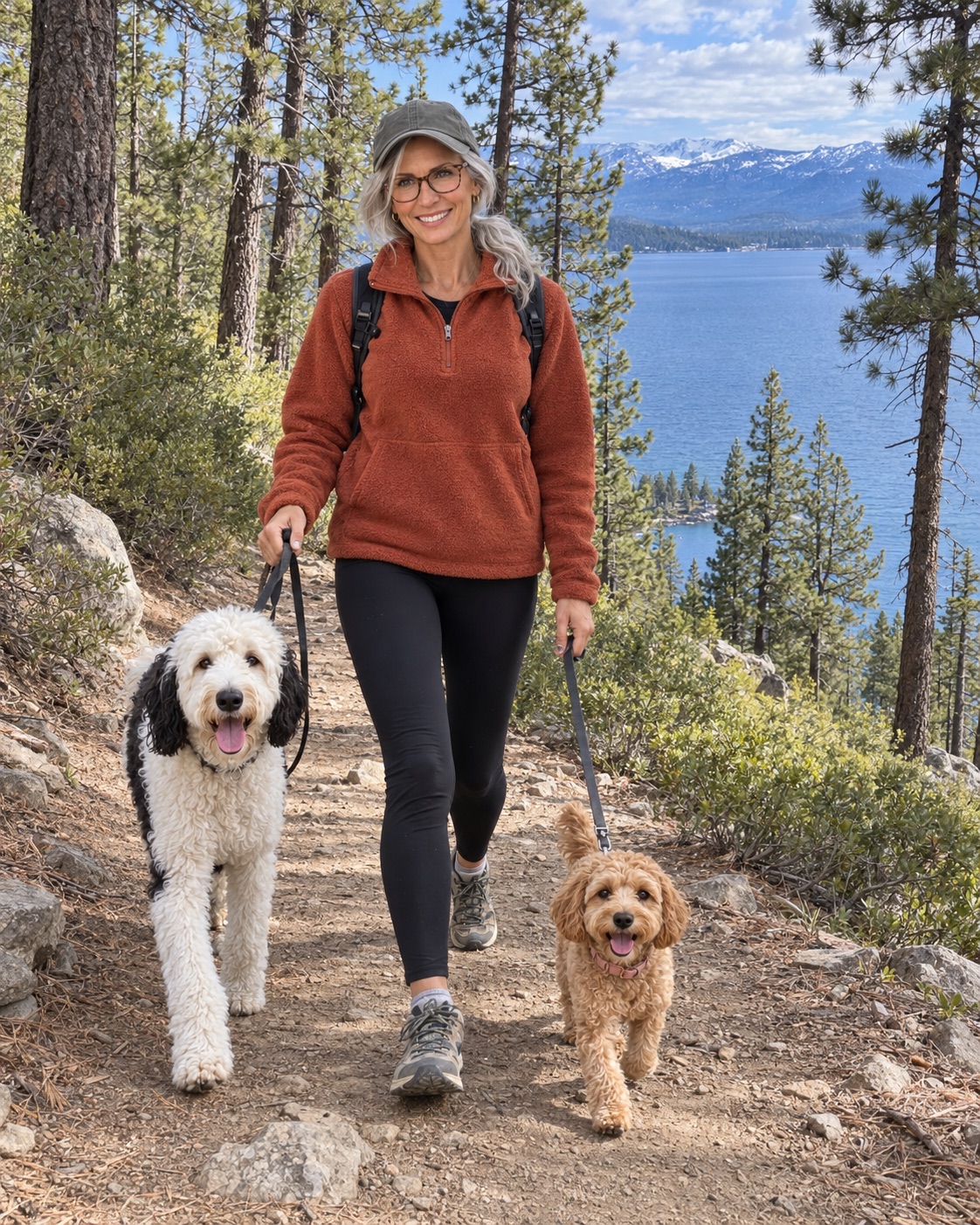
Every chew carries Glucosamine (200 mg), MSM (100 mg), and Green Lipped Mussel (100 mg). Cooper is three and weighs 100 pounds, so I don't wait for stiff mornings to support his joints, and at six, Ginger stays right on his heels on our Tahoe trails.
Groomer Check 03
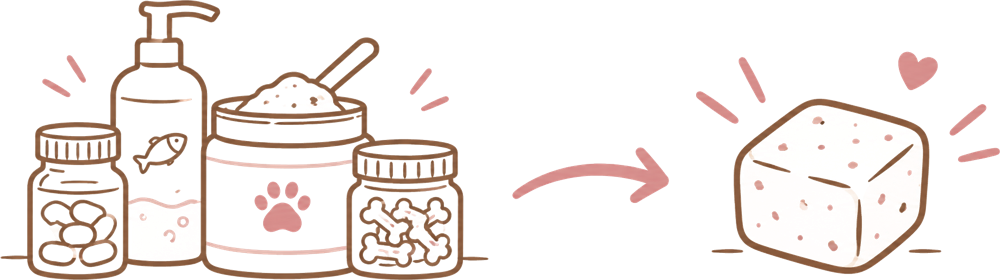
Replacing four cluttered pantry bottles with one 10-second habit
A joint tablet, a probiotic packet, a messy fish oil pump that smells up your hands, and a daily vitamin. That is a lot of money sitting on a shelf, and half of it expires because opening four jars every morning is a chore.
This single soft chew covers joints, digestion, skin and coat, and everyday vitamins in ten seconds at breakfast. If your dog is already on separate bottles, ask your vet what you can simplify.
Groomer Check 04
Putting back the daily vitamins high-heat dry kibble cooks out
Even when a dog gets a clean bill of health at their checkup, high-heat dry kibble loses delicate nutrients during processing. Eating the same dry scoop every day for years leaves quiet gaps in their routine.
Alongside real-food kitchen toppers like pure pumpkin or a scrambled egg, every chew provides Vitamins A, D3, E, CoQ10, and a full B-vitamin complex to support daily energy, eyes, heart, and immune health without changing their main food.
See all ingredients & Official Product Facts Label
Product FactsOfficial Jar Label
Active Ingredients Per 1 Soft Chew (3 Grams):
Glucosamine HCL (Vegan)200 MG
Methylsulfonylmethane (MSM)100 MG
Green Lipped Mussel Powder100 MG
ProbioSEB CSC3 Spore Probiotic Blend500 MILLION CFU*
Spore probiotics that survive stomach acid (where paw-licking starts)
Constant paw licking resulting in rust-colored fur between the toes, grass eating, or room-clearing gas almost always starts in the gut. Yet most ordinary probiotic powders die in stomach acid before they ever reach the digestive tract.
Each chew carries 500 Million CFU of spore-forming probiotics (ProbioSEB CSC3) specifically built to survive stomach acid, paired with Prebiotic FOS to feed the good bacteria once they arrive.
Groomer Check 06
Why you cannot shampoo away an inside coat problem
After 30 years with my hands in dog coats every day, I can tell you a groomer's secret: you cannot shampoo away an inside problem. Expensive oatmeal shampoos only wash the outside.
This chew combines Norwegian Salmon Oil, Quercetin, CoQ10, and Vitamin A to nourish dry skin and coat texture from the inside out. Give the coat six to eight weeks as new hair grows in, and feel the difference with your own hands.
Made in the USA in an SQF and GMP certified facility.
My Honest Groomer Promise: Who Should Use This (And Who Should Skip It)
After 30 years working with dog parents, I only want you trying this if it genuinely fits your dog's routine:
✓
A wonderful fit if
Your dog is a large breed (like 100-lb Cooper) or over age five (like 6-year-old Ginger)
You have powders or tablets in the pantry they refuse to touch
Two or more of the five signs at the top of this page sound like your dog
They eat dry kibble every day and you want simple inside-out coverage
✕
Not the answer if
Your dog is limping, crying, vomiting, or refusing meals: call your vet first
Your dog is allergic to fish, shellfish, or chicken flavoring
Your dog is on a prescription diet or medication: always check with your vet first
You expect an overnight miracle from a single chew
What most dog parents notice
Week 1The easy part: they sit by the counter waiting for it like a morning treat.
Weeks 4 to 6Digestion settles, tummy habits feel more predictable, and morning get-ups look smoother.
Months 2 to 3Softer, glossier fur as new coat grows in and less dry flaking on the brush.
Serving Guide by Weight (Right on the Jar)
How many chews your dog gets goes strictly by weight printed right on the official Pupganics jar label:
🤎Under 25 lbs1 chew a day
🤎🤎25 to 50 lbs2 chews a day
🤎🤎🤎50 to 75 lbs3 chews a day
🤎🤎🤎🤎Over 75 lbs4 chews a day
Give every morning with breakfast or from your hand as a treat. Always check with your vet before starting any new supplement.
Part of our daily Lake Tahoe morning routine for Cooper (3 yrs, 100 lbs) & Ginger (6 yrs)
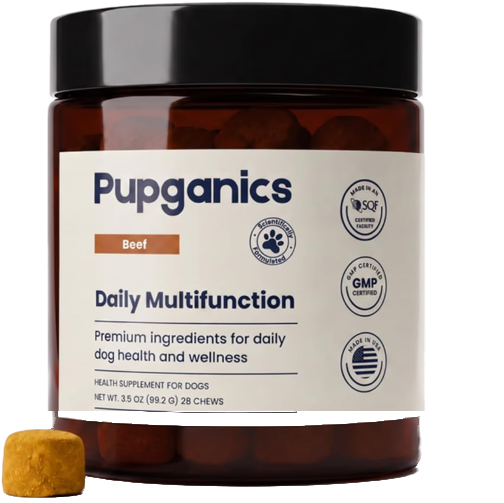
Pupganics Daily Multifunction · Beef Soft Chews
28 Soft Chews Per Jar · 🇺🇸 Made in the USA
This is the exact jar that sits next to our coffee maker every morning in Lake Tahoe. Check the full ingredient list and weight chart on Amazon and see if it is a fit for your dog.
My dog spits out every pill and walks away from powders. Why is this different?
It is a soft, chewy texture that smells and tastes like a real treat. Ginger is the pickiest rescue I have fostered in 40 years, and she takes hers right out of my hand every morning.
How many chews does my dog get?
The serving goes strictly by your dog's weight, and the weight chart is printed right on the side of the jar. Always check with your veterinarian before starting anything new.
My dog is 6 or older. Is it too late to start?
Not at all. Ginger is 6 years old and joined our family just a couple of months ago, and supporting her joints, gut, and coat now is one of the best gifts we can give her for the years ahead. And with 100-pound Cooper at age 3, we use it for early support before big-dog joint wear sets in.
Does this replace my veterinarian?
Never. I am a 30-year dog groomer and lifelong foster mom, not a vet. This is an everyday nutritional supplement. Anything sudden, painful, or medical always goes straight to your vet.
Do you earn a commission if I order through your link?
Yes. It is an affiliate link, and I may earn a small commission at no extra cost to you if you order through my link. I only share what is genuinely part of our morning routine with Cooper and Ginger.
Give them an extra ear scratch from me. Warmly, Cynthia, Cooper & Little Ginger